
JOURNAL
Low Seating and the Relationship Between Body, Space, and Ground
AYANA STUDIO05.05.2026
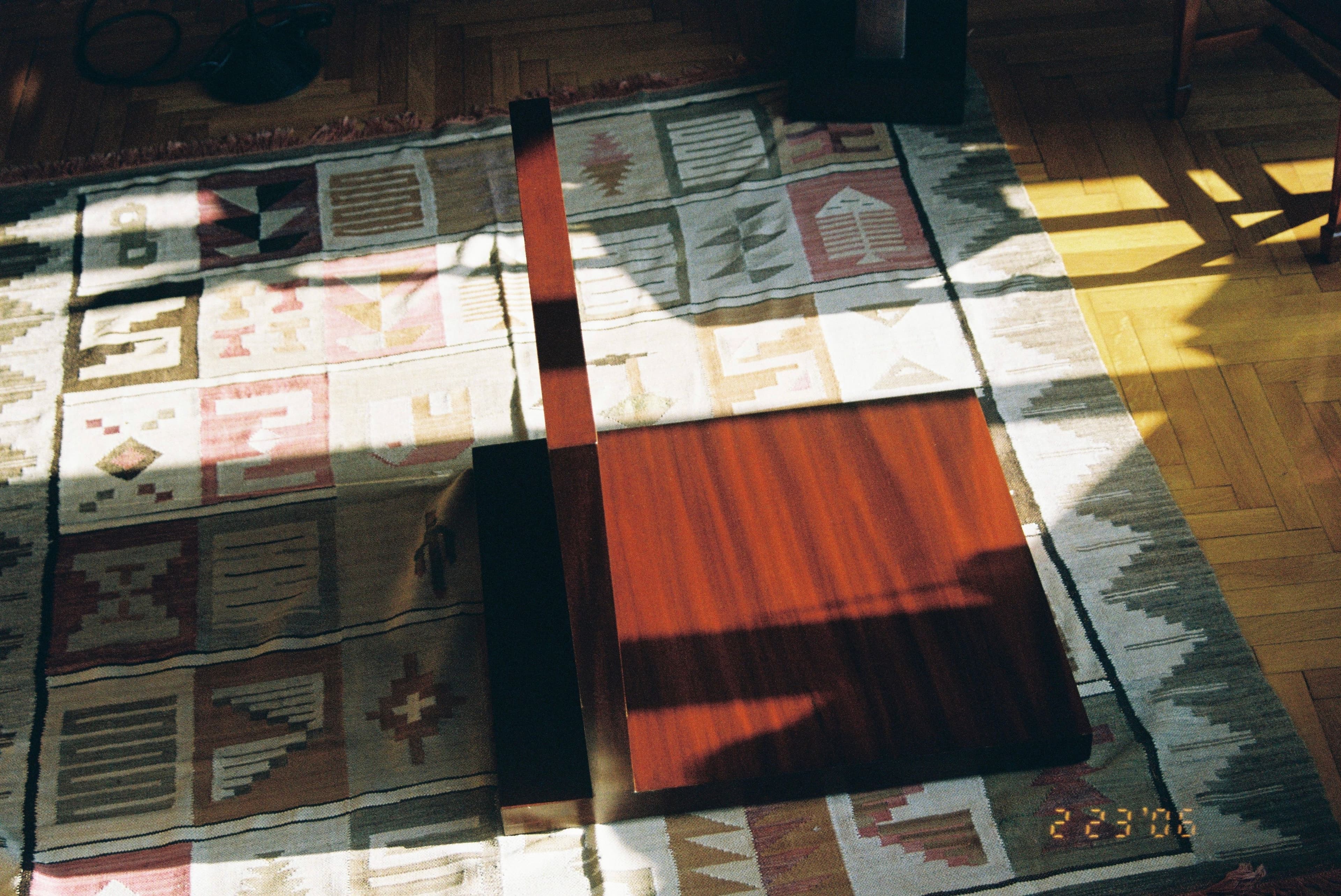
Low seating is rooted in long-standing spatial traditions, particularly in East Asian interiors where ground-level living shapes daily experience. At AYANA Studio, this idea is translated into simple, grounded forms that explore the relationship between body, material, and space.
Low seating has long been part of architectural traditions where the body is kept close to the ground as a way of organizing space and daily life. In Japanese interiors, for example, tatami rooms and floor-based living structures create a spatial logic where sitting, resting, and gathering happen at ground level. This approach is often associated with simplicity, awareness of space, and a closer relationship with materials.
Within this context, sitting closer to the ground naturally shifts spatial perception. The body is no longer separated from the floor plane, but becomes part of it. This changes how a room is experienced—scale feels different, movement slows, and attention becomes more distributed across the space.
In AYANA Studio’s meditation seat, this idea is interpreted through form and proportion rather than instruction. The design supports a low, grounded sitting position that allows the body to settle in a natural way, without emphasizing posture correction or fixed use.
Across many design traditions, from East Asian interiors to contemporary minimalist practices, proximity to the ground is often linked to a more direct relationship with materials and space. Wood, in particular, reinforces this sense through its tactile and continuous presence.
Here, low seating is understood not as a function, but as a way of being within a space—where body, surface, and environment exist in the same visual and physical field.